🌐 ENGLISH VERSION
This site was written in French, and this is its English translation. Small differences or imperfections are possible: the French version remains the reference. The reader comments area and the search results may still appear in French.
Your opinion matters: tell me what you would change or add. Use the contact form on the home page or leave a comment on the Blog (English and French both welcome).
RICK'S EPIC JOURNEY
“To understand a well in Nova Scotia, Rick Lagina had to cross the Atlantic.”
1. WHY TRAVEL SO FAR?
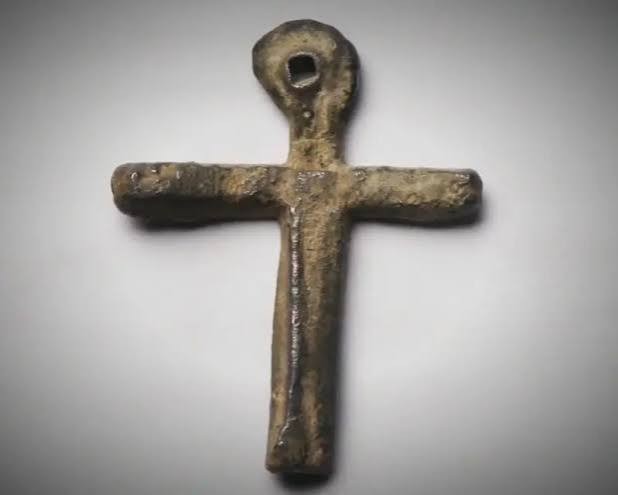
For more than a decade, Rick Lagina, a retired engineer, has been trying to find out who could have designed, in the 18th century or long before, a device as elaborate as the one at Oak Island. The clues found on site (a lead cross of medieval appearance, exotic plant fibres, old European coins) point to distant worlds. So, season after season, the investigation left the island: Rick and his companions went to see, in Europe, whether other builders had thought up the same traps, engraved the same symbols or carried the same riches.
These journeys have a twofold aim: to compare the techniques of the time (tunnels, wells, drains) and to follow the trail of gold and relics, from the Templars to pirates. One point must be made clear: these are investigative leads. Each stop has delivered intriguing elements, but none has yet provided proof that the treasure exists, or who might have buried it.
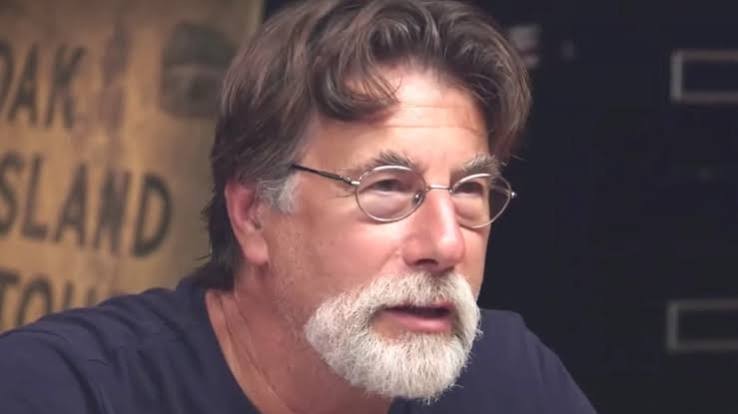
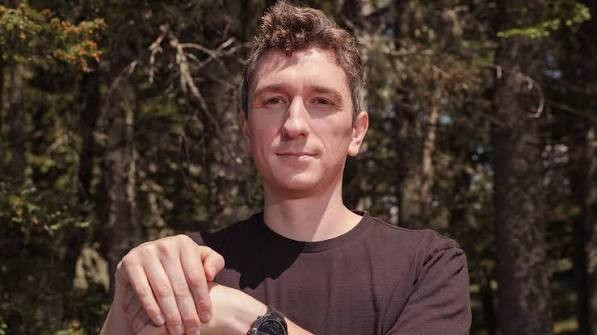
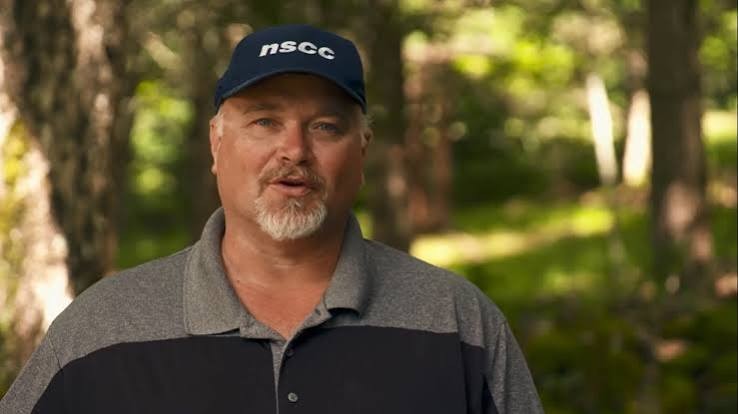
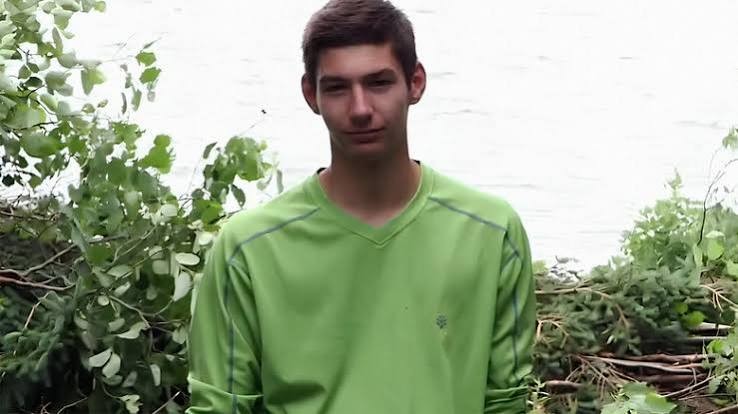
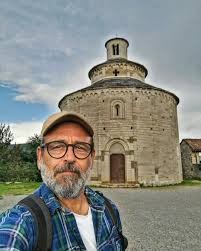

Other travelling companions: Corjan Mol (research in Europe) and, for the series Beyond Oak Island, Matty Blake, Gary Drayton and Marty Lagina.
2. THE TRAVEL LOG
| Stop | When | What they were looking for |
|---|---|---|
| France (Domme, Dordogne) | Season 5 (2017-2018) | The graffiti of the Templars imprisoned in 1307 in the Towers of Domme, compared with Oak Island's lead cross. |
| Portugal (Tomar) | Season 9 (2021-2022) | The convent of the Order of Christ, heir to the Templars in Portugal, and its symbols. |
| Italy | Season 10 (2023) | The so-called “Cremona” document and its references to Nova Scotia. |
| Malta | Season 12 (2025) | Medieval tunnels, a blue-grey clay and a genealogical trail. |
| Azores (Terceira) | Season 13 (2025-2026) | Stone balls, a Portuguese coin and an iron spike, to test the Portuguese lead. |
| United States & Newfoundland | 2020-2023, Beyond Oak Island | Other legendary treasures, to compare concealment methods (see point 4). |
FRANCE: THE TOWERS OF DOMME
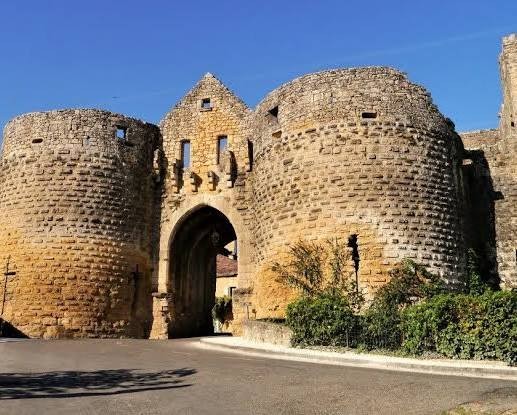
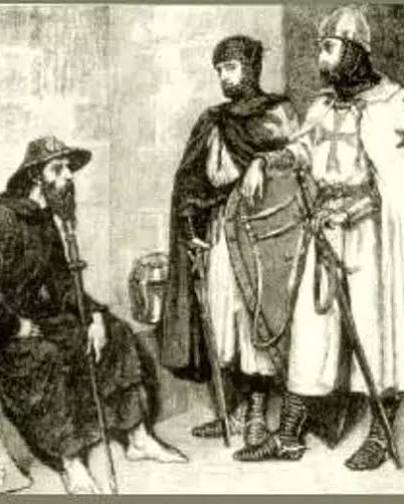
At Domme, in the Dordogne, the Towers gate served as a prison for the Templars arrested in October 1307: their graffiti, including crosses, can still be seen there. The team came to compare them with the lead cross unearthed at Smith's Cove.
The isotope analyses of the cross's lead, presented on the show, attribute it to deposits in the south of France of medieval date. This is an interesting fact, but it tells where the metal comes from: it says neither who made the cross, nor when or how it reached the island.
MALTA: CLAY AND GENEALOGY
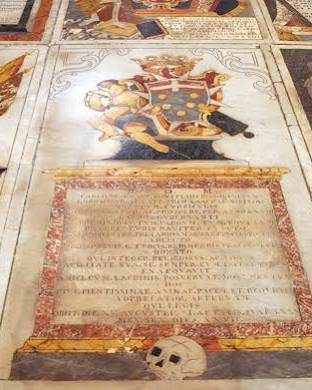
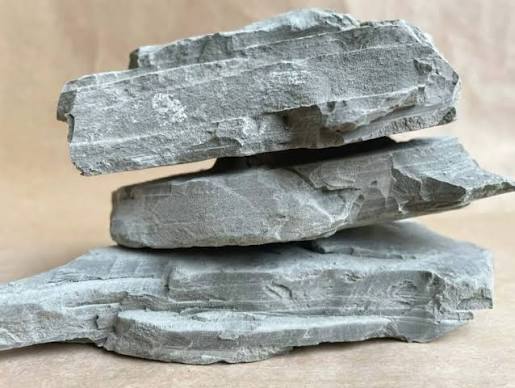
In Malta, the team followed several leads: galleries dug into the rock, the baqqun, a local blue-grey clay compared with the one found on Oak Island, and the Palazzo Falson, which led it onto the trail of a lineage running from the Villiers to Razilly.
This is a genealogical lead, not proof : it suggests possible links between families tied to the Order of Malta and the colonisation of New France, nothing more at this stage.
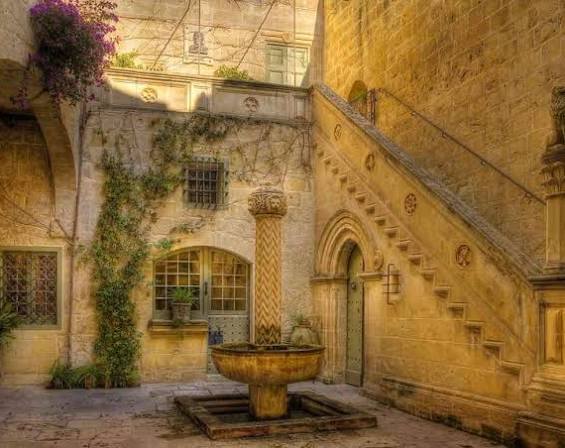
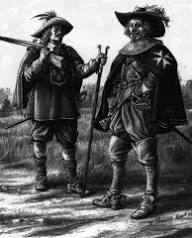
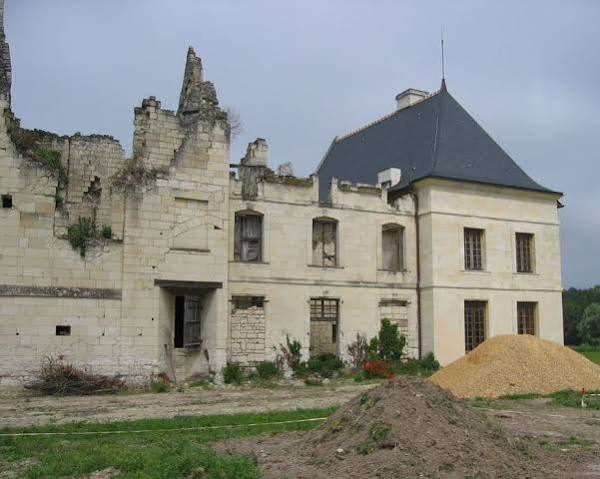
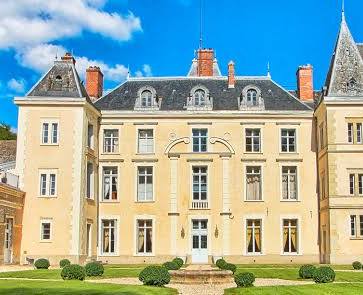
Isaac de Razilly, born in 1587 at the Château d'Oiseaumelle (Touraine), was the son of François de Razilly and Catherine de Valliers (spelling of the source); he was made a knight of the Order of Saint John of Jerusalem, the Order of Malta, at 18, according to the Dictionary of Canadian Biography.
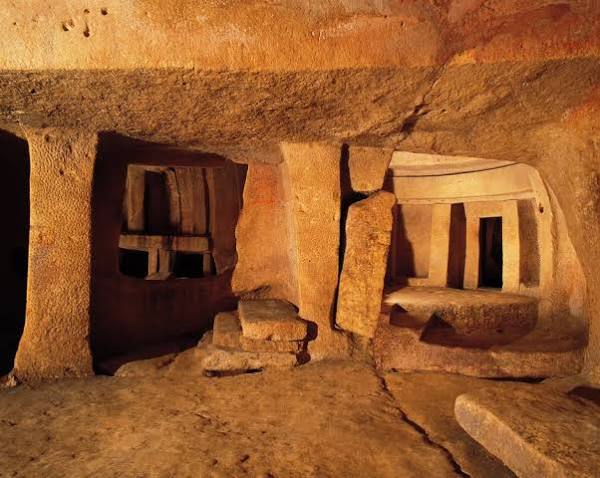
PORTUGAL AND THE AZORES
At Tomar, the convent of the Order of Christ, which took over from the Templars in Portugal, fascinates the team with its symbols. Later, in the Azores, local specialists examine Oak Island objects: the historian Tiago Rodrigues gives his opinion on a stone ball, the archaeologist Pitblado on a Portuguese coin (a tornês) and an iron spike from a ship's deck. The geologist Robert Raeside, for his part, compares the rock of the balls with the geology of the archipelago.
These comparisons feed the hypothesis of an ancient Portuguese presence, but they do not prove, on their own, that a treasure was buried on Oak Island.
ITALY: THE CREMONA DOCUMENT
In Italy, Rick follows Emiliano Sacchetti, who is taking up Zena Halpern's work on a document attributed to Cremona and dated 1347. It mentions landmarks that are compared with Smith's Cove. Symbols recorded at Camerano are also compared with those of a site in Liverpool, Nova Scotia.
The authenticity of this document is not established : it is presented on the show as a lead, and the critical analyses available judge it rather recent. The detail can be read on The Theories page, in the “Zena Halpern” section.
3. THE OIMAS LABORATORY
To move from intuition to measurement, the team set up an analysis laboratory on the island, theOIMAS (Oak Island Materials and Archaeological Services). Run by Emma Culligan, it examines objects as discoveries and journeys unfold.
| Technique | What it is used for |
|---|---|
| XRF (X-ray fluorescence) | Analysing the chemical composition of a metal without damaging it. |
| XRD (X-ray diffraction) | Identifying the minerals of a clay or soil and comparing them between sites. |
| Tomography (CT) | Seeing inside an object without destroying it. |
| Lead isotopes | Estimating the geological origin of a lead, such as that of the medieval cross. |

4. BEYOND OAK ISLAND: IN THE UNITED STATES
In the spin-off series Beyond Oak Island (2020-2023), Rick, Marty, Gary Drayton and Matty Blake investigated other treasure legends, to compare the ways of hiding a fortune:
- Florida : the Spanish fleet of 1715, wrecked off the so-called “Treasure Coast”.
- Utah : the legends tied to Montezuma's treasure and the Josephine mine.
- Kansas City : 19th-century steamboat wrecks buried under the silt.
- Texas : the caches attributed to Sam Bass, the San Saba mines and the trail of Pancho Villa.
- Newfoundland : the traces of the pirate Peter Easton, with Tony Sampson.
What these journeys establish… and what they do not
Established: the team found matches of symbols, techniques and materials between Oak Island and several places in Europe, and the OIMAS laboratory made it possible to measure several of these objects.
Not established: none of these leads proves to date that a treasure is buried on the island, or who might have placed it there. The comparisons remain investigative hypotheses, which the coming seasons may confirm or rule out.
Last review: October 2026 · Unofficial site · Legal notice · The Blog